Why Timelines Fall Apart (And How to Build One That Actually Works)
Why Timelines Fall Apart (And How to Build One That Actually Works)
The honest truth? Most wedding timelines are doomed from the start. Here's how to fix that.
I've coordinated enough weddings to tell you: a brilliant timeline isn't about military precision. It's about understanding where things go sideways and building in breathing room to handle it without breaking a sweat.
Let's talk about what actually happens on wedding days – and how to plan for reality, not the Pinterest version.
Where Timelines Usually Unravel
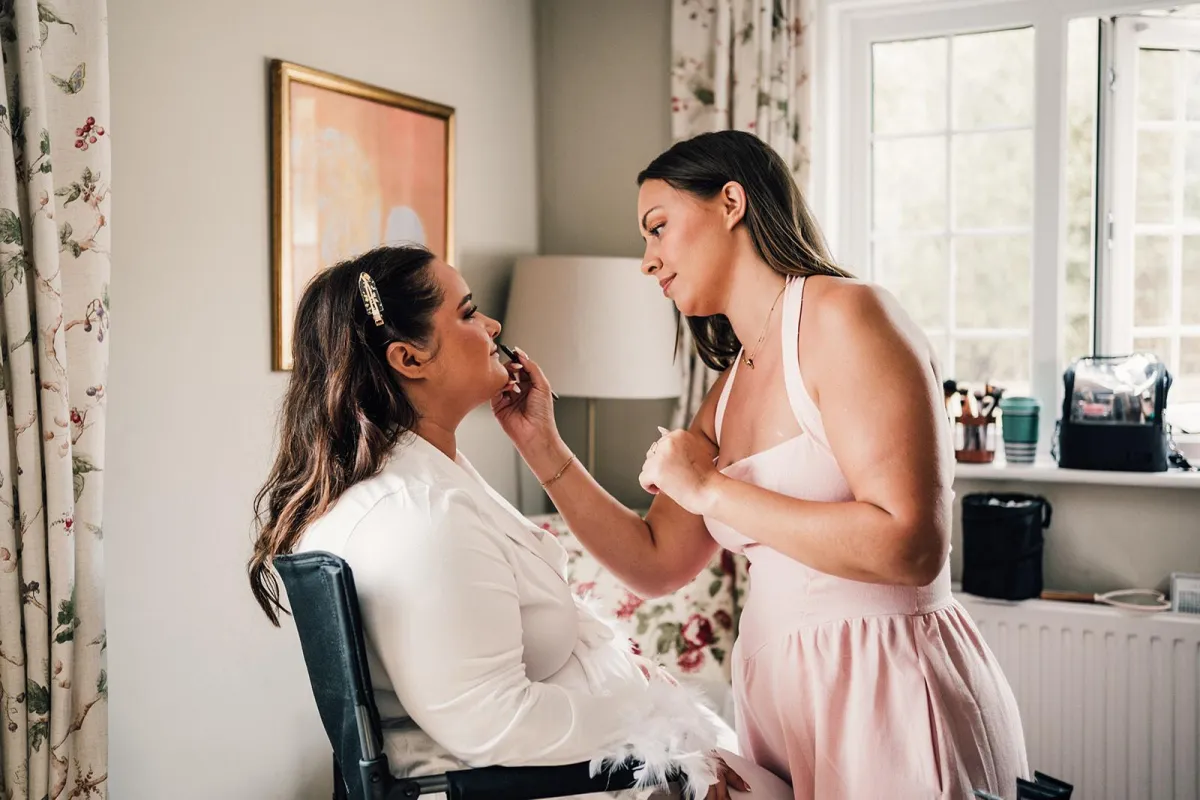
Getting Ready Takes Way Longer Than You Think
This is timeline killer number one. You've allocated an hour for glam, but what about:
That emotional moment reading letters from your partner
Getting into the dress (always a 20-minute production)
Photos with your bridesmaids
The inevitable "WHERE ARE THE SHOES" panic
Real talk: If your MUA says they need an hour, add 30 minutes. Think getting ready will take two hours? Make it three. Future you will thank present you.
The Ceremony Runs Over (It Always Does)
Celebrants are lovely humans, but they're not clock-watchers. Factor in late arrivals, readings that go long, and those beautiful, can't-rush moments that deserve their space.
Your planned 30-minute ceremony? It's becoming 45. And everything after dominoes from there.
The fix: Build in a 15-minute buffer after your ceremony before group photos kick off. Non-negotiable.
Photos Absolutely Devour Your Cocktail Hour
Here's what nobody tells you: the photos themselves take minutes. Finding everyone for the photos? That's what kills your timeline.
Groomsmen at the bar. Family members who've wandered off. Getting everyone to look at the camera simultaneously.
It's like herding very well-dressed, slightly tipsy cats.
The move: Keep your group shot list ruthless. 6-8 combinations max. Your photographer will love you, and you'll actually enjoy your drinks reception instead of just hearing about it later.
How to Build a Timeline That Actually Works
Start With Your Non-Negotiables
Work backwards from the things you can't move:
Ceremony time (venue-locked)
Sunset (if golden hour photos are your vibe)
First dance (8pm hits different, trust me)
Everything else fits around these anchors.
Schedule Literal "Nothing Time"
Seriously. Build in 15-minute gaps where nothing is supposed to happen. This is your buffer for:
Grabbing that quiet moment with your person
Bathroom breaks (everyone's)
Your coordinator handling whatever small chaos pops up without derailing your whole day
These gaps? Secret weapon for staying calm.
Get Real About Guest Behavior
Your timeline says cocktails end at 4pm. Cool. That doesn't mean everyone magically appears seated at 4:01.
People need time to wrap conversations, find their table, pop to the loo, grab another drink.
Smart move: Want people seated by 4pm? Announce dinner at 3:50pm. Give yourself the wiggle room from the jump.
Actually Share It (With Everyone)
Your timeline only works if the right people have it. Send it to:
Photographer, videographer and content creator
Venue coordinator
Catering and bar team
DJ or band
Wedding party
A timeline nobody knows about is just a pretty spreadsheet collecting digital dust.
5 Quick Fixes That'll Save Your Timeline
1. The 1.5x Rule for Getting Ready: Whatever time you think you need, multiply it by 1.5. If hair takes 45 minutes, schedule an hour. Trust me on this one.
2. Cap Group Photos at 8 Shots Max: Bride + groom with: both families together, bride's family, groom's family, bridesmaids, groomsmen, full wedding party, bride's siblings, groom's siblings. Done. Everything else can happen naturally during cocktails.
3. Schedule Dinner 30 Minutes Before You Actually Want It: Want everyone eating at 5pm? Tell your caterer at 4:30pm. This accounts for stragglers, bathroom trips, and the inevitable "wait, where's table 7?" moment.
4. Build a 30-Minute "Do Nothing" Window: Right after photos, before dinner. This is your breathing space. Have a drink. Eat a canapé. Say hi to your nan. Don't schedule anything here.
5. Put One Person in Charge of the Timeline (Not You): Your coordinator, a super-organised bridesmaid, your venue manager – someone who can wrangle people and keep things moving while you're busy being married and fabulous.
The Bottom Line
A timeline that works isn't about controlling every single minute. It's about knowing what typically goes wrong and planning for it without stressing.
The best weddings I've coordinated? Realistic schedules. Built-in breathing room. Couples who trusted me when I said that running 10 minutes behind wouldn't tank their entire day.
Because here's the truth: your guests won't remember if speeches kicked off at 7:15 instead of 7:00. But they'll absolutely clock if you looked stressed and overwhelmed all day.
Build a timeline that lets you be present. That's the one that actually works.
Frequently Asked Questions (FAQ)
1. Why do wedding timelines often fall apart?
Wedding timelines often break down because couples underestimate how long tasks take, over-schedule events, or don’t account for supplier setup and travel between locations. Unexpected delays, weather changes, or last-minute guest issues can also affect the schedule.
2. How much buffer time should I build into my wedding day timeline?
It’s wise to include at least 10–20 minutes between key events, such as ceremony, photographs, and reception. Buffer time prevents small delays from cascading into stress and ensures the day flows smoothly.
3. How do I make my timeline realistic?
Start by estimating how long each activity actually takes, including hair and makeup, travel, speeches, and meal service. Talk to your suppliers, consider guest flow, and be honest about what is achievable in one day.
4. Should I schedule every minute of the day?
No. Over-scheduling can make the day feel rushed and stressful. A functional timeline balances key moments with small pockets of downtime, allowing couples and guests to enjoy the day.
5. Can a wedding planner help create a timeline?
Yes. Experienced planners know how to structure timelines that account for supplier setup, guest experience, and natural flow. They also adjust the schedule on the day if delays occur, helping the day feel calm and relaxed.
6. How far in advance should I finalise my timeline?
Most couples finalise their timeline around 4–6 weeks before the wedding, after all suppliers are confirmed. This allows you to share it with photographers, caterers, coordinators, and venue staff so everyone is aligned.
7. What are common points where timelines break down?
Typical trouble spots include morning preparations (hair and makeup running late), group photographs taking longer than expected, delayed guest arrivals, and underestimating the time needed to move between ceremony and reception spaces.
8. How can I ensure my timeline is flexible enough for the unexpected?
Include buffer time, build in small breaks, and prioritise the moments that matter most to you. Avoid cramming every activity into the schedule, and allow for natural transitions between events.
9. Can a poorly planned timeline affect guests?
Yes. When a timeline is unrealistic, it can cause delays that frustrate guests, make photos feel rushed, and add stress for vendors. A smooth timeline helps everyone enjoy the day as intended.
10. What is the first step to creating a functional wedding timeline?
Start by mapping out the major events — ceremony, photographs, drinks reception, wedding breakfast, speeches, and evening celebrations. Then add realistic durations, buffer time, and consider supplier setup requirements. This forms the backbone of a timeline that actually works.
Need help creating a timeline that won't fall apart the second your mum can't find her fascinator? I'd love to help you build something that works for you, not against you.
Lauren x

